Why You Should Never Ignore Flickering Lights or Burning Smells

When it comes to electrical safety, the little things matter most. Dimming lights or a slight burning odour may seem small — just minor inconveniences — but they can serve as the first line of defence against much more serious electrical problems. Failing to address it could result in damaged wiring, a power outage or a fire. We at Elcolem believe that prevention is the number one thing — knowing when to act could save your home, your business, and your loved ones.

1. What Causes Flickering Lights?

There can be various reasons why the lights are flickering, from something simple to enormous electrical problems. Common reasons include:

  • Bulbs that are loose or bad: A quick tightening or replacing might solve the problem.
  • Overworked circuits: If an overloaded circuit causes the voltage to drop, lights may flicker.
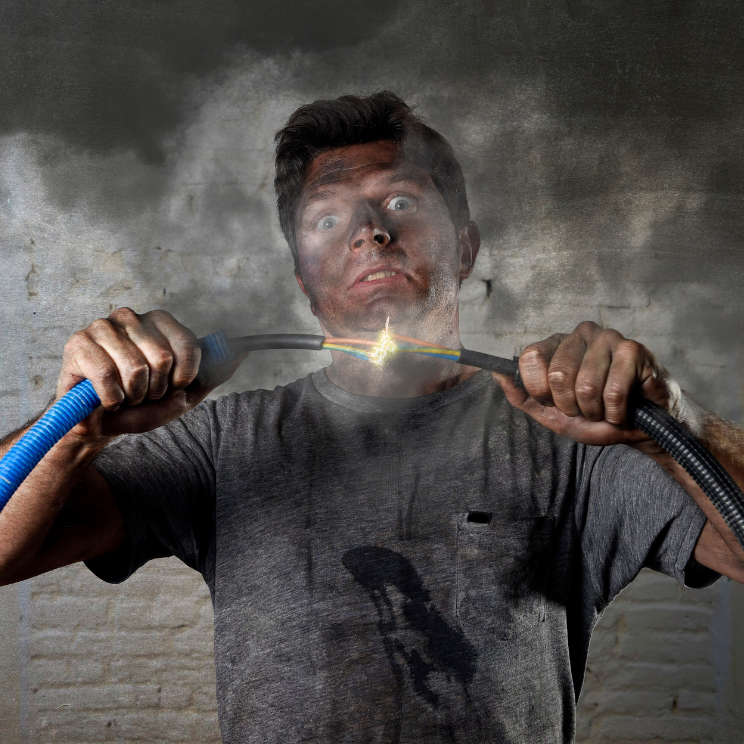
  • Loose wiring or connections: These are at far greater risk. A loose wire can arc, overheat and possibly burn.
  • Bad switches or fixtures: Worn-out parts can cause an irregular current flow.

If the flickering occurs everywhere you have lights or gets worse when other electric appliances are running, it’s essential to call a licensed electrician right away.

2. What That Burning Smell Really Means

A burning odour, especially one that smells like melting plastic or rubber, is never something to ignore. It can indicate:

  • Overheating wires or outlets
  • Damaged insulation around wires
  • Defective electrical panels or breakers
  • Sparkless shorts in walls or appliances

There’s a maximum amount of current that you can draw from any electrical component. With overheating, the insulating sheath becomes molten — that’s the smell. If you continue to smoke in the system when it is like this, this can become quite a fire hazard.

3. The Hidden Dangers Behind Ignoring the Signs

It’s not uncommon for electrical problems to worsen over time. That twinkling can turn into a blackout, fried gear, or worse—an electrical fire. Amongst the most significant risks are:

  • Fire Risks: Frayed or loose wires can smoulder out of sight behind the walls before they are detected.
  • Damage to Equipment: Appliances, computers and electronics can be damaged by power surges.
  • Higher Repair Bills: The earlier, the better when it comes to expensive rewiring or a new panel.

Taking prompt action not only defends your property but can also save lives.

4. What to Do If You Notice These Warning Signs

Here’s what you can do immediately if you have flickering lights or burning smells:

  • Disconnect the device or turn off the circuit.
  • Please do not use the outlets or lights affected until a professional inspects them.
  • Have a licensed electrician check your system out.
  • Don’t attempt DIY electrical fixes. As with all first aid, doing it wrong without the proper training can hurt or even shock you.

Our licensed electricians at Elcolem use sophisticated diagnostic technology to safely and efficiently identify electrical problems.

5. How Elcolem Can Help

At Elcolem, we also offer complete electrical inspection, repair and maintenance for residential and commercial properties. Whatever the issue — whether it’s an inexpensive flicker or serious wiring issues — we keep your electricity running smoothly and safely.
We specialize in:

  • Electrical troubleshooting and repairs
  • Panel and circuit inspections
  • Rewiring and safety upgrades
  • Emergency electrical services

Don’t rely on luck for safety, trust experience!

Conclusion

Flickering lights or the smell of something burning is your home’s way of saying, “Please help me!” Ignoring them could leave your home or business at serious risk. The safest move? Please have our experts, such as Elcolem, call you for a quick evaluation and peace of mind.

Stay safe. Stay powered. Contact Elcolem — Your Trusted Local Electrician.

Why DIY Electrical Repairs During Emergencies Can Be Dangerous

When your home’s electrical system experiences an emergency, the first instinct for many homeowners is to reach for a toolbox and attempt a DIY repair. Although DIY strategies may appear to be the most affordable and fastest, do not attempt to handle an electrical emergency. At Elcolem, we have witnessed how makeshift electrical work in times of crisis can easily lead to peril.

The Hidden Risks of DIY Electrical Repairs

Electrical systems are complex, and even minor issues can have severe consequences. Here is why you should never try DIY repairs when there’s an emergency:

Risk of Electric Shock: Be also aware of the risk of electrical shock when working with live wires without the proper tools and training, as it can be highly hazardous.

Fire Hazards: Improperly fixing broken wires or overloaded circuits can start fires. In fact, electrical issues are one of the leading causes of house fires.

Worsening the Problem: You are not an expert, so you may misdiagnose it. What might begin as a minor issue may turn into expensive damage.

Code Violations and Insurance Issues: Inadequate repairs may not even meet safety standards. This can void your insurance if there’s a fire or if property is damaged.

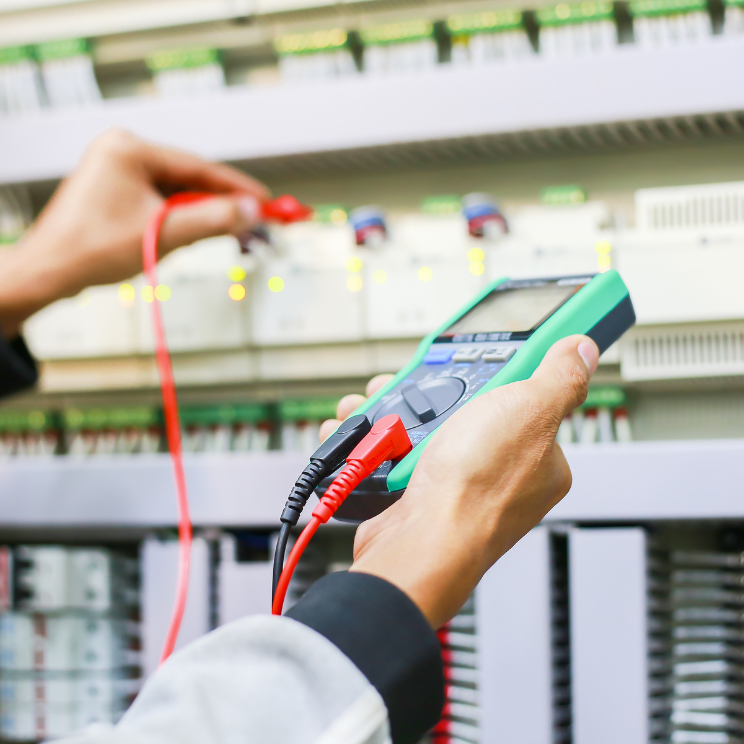
Lack of Proper Equipment: Specialized tools and testing devices are essential components of a skilled emergency electrician’s toolkit, which a homeowner typically lacks. Without them, you’re working blind.

Why Call a Professional Emergency Electrician?
Instead of putting your safety in danger, you can have a certified emergency electrician from Elcolem fix the problem:

  • You need to troubleshoot and repair it ASAP.
  • Make sure that everything is up to code.
  • Restore power safety without further danger.
  • Be available at all hours when critical.

Final Thoughts
You should never treat an electrical emergency as a DIY project. The dangers are too great. When you call Elcolem’s emergency electricians, you ensure that your home, family, and property are protected from potential hazards.

The Hidden Dangers of Outdated Wiring in Older Homes

When it comes to owning a home, few things are more often overlooked — and yet more potentially hazardous — than outdated electrical wiring. However, many older homes in Ontario and across Canada still rely on electrical systems installed decades ago — a time when few people had multiple charging devices or large appliances that drew power steadily throughout the day and night. At Elcolem, we’re experts at finding and fixing the silent dangers of older wiring so that you can protect your family, your property, and your peace of mind.

Why Old Wiring Is a Serious Safety Concern

Knob and tube wiring and aluminum wiring are also standard in older homes and quite dangerous:

Risk of Fire: Deteriorating insulating material, bare wires, and loose connections pose a high risk of electrical fires.

Power Failures: Older grids struggle to manage current energy loads, resulting in blown fuses or tripped breakers.

Electrical Shock: Worn or improperly grounded wires can lead to electric shock — even from regular wall sockets.

Insurance: Many insurance providers will not cover homes with outdated wiring unless it has been updated.

Common Warning Signs of Unsafe Wiring

When you see any of the following signs at your own home, hire a professional, licensed electrician:

  • Power surges or lights that flicker often
  • A burning smell or discolored outlets
  • Familiar hums in your switches or receptacles
  • Chances are you’re tripping circuit breakers or blowing fuses a lot
  • Two-prong (ungrounded) outlets
  • Warm or vibrating wall plates

And they’re not just little irritations — they’re red flags that your electrical system may be in trouble.

Types of Outdated Wiring to Watch For

Knob-and-Tube Wiring: Found in homes constructed before the 1950s, this set-up doesn’t have a grounding wire, and it’s unable to manage the electrical load of modern appliances. It’s also more susceptible to insulation breakdown and overheating.

Aluminum Wiring: Common in the 1960s and ’70s, aluminum wires can expand and contract as temperatures fluctuate, exacerbating loose connections, a leading contributor to the risk of arcing and fire.

Ungrounded Wiring: Without grounding, there’s nowhere for extra electricity in your system to go. This leaves you open to shock and damage to electronics.

Why Professional Inspection Matters

At Elcolem, our certified electricians conduct comprehensive home electrical inspections to:

  • Identify outdated or unsafe wiring
  • Test circuit loads and grounding
  • Provide up-gradient opportunities for code compliance
  • Bring your home up to the current safety code
  • Whether you’re purchasing an older home or currently living in one, a thorough inspection can help you head off disaster before it strikes and boost your confidence in your electrical system.

    Upgrade for Safety and Peace of Mind

    Updating the wiring in your house is not just a matter of safety, but it’s also about ensuring that your system works well when you need it to work the most. Swapping copper wiring, adding grounded outlets, and changing the breaker panel are all significant steps toward futureproofing your home.

    Count on Elcolem for Professional and Trusted Electrical Services

    You don’t have to wait for a warning sign to respond. If your home is over 30 years old and hasn’t undergone an electrical inspection in the past few years, contact Elcolem today! Our licensed experts are here to ensure your home’s wiring is safe, functioning correctly, and up to code.

    Call now or book your inspection online – your safety is our priority.

    Signs Your Commercial Building Needs Electrical Upgrades

    As the owner or manager of a commercial property, you know that maintaining the effectiveness and safety of your building’s electrical system is more than just a maintenance job—it’s a business imperative. At Elcolem, we are experts at commercial electrical services in Mississauga and can help businesses find and fix electrical problems before they become costly problems.

    So, when is it time to upgrade your commercial building’s electricity system? Here are the most important signs to look out for.

    Frequent Breaker Trips or Power Outages

    If your building frequently sees breaker trips or if you’ve had power cuts and have no idea why, it’s a red flag. This often indicates that the electrical system in your home is either outdated or overloaded and unable to meet your modern power needs. Businesses today use many more devices and machines for which older systems weren’t designed to provide support.

    Insufficient Outlets and Overuse of Extension Cords

    Are people using power strips and extension cords often? This signals that your electrical design is behind the times and does not offer enough access to power. Improving the performance of your system can help guard against overload, for example, protecting against fires, and further enhance performance and ease of use.

    Flickering or Dimming Lights

    If your lights dim when the A/C turns on or flicker when you turn on a piece of equipment, those are signs that your power supply may be unstable. Bad wiring, failing circuits, or voltage that drops and shoots back up could be the cause—all issues that could result in long-term damage to electrical components or, worse, unsafe conditions.

    Old Electrical Panels or Outdated Wiring

    If your building was built over 25 years ago and hasn’t been recently renovated to include new electrical work, it probably still has outdated panels and wiring. These parts may no longer be up to code and could be dangerous. Knob-and-tube (Older Style Wire) aluminum and fuse panels should be replaced, as with modern-day society comes an increased demand for electricity, which these systems may not handle.

    Overheating Outlets, Switches, or Equipment

    Do your outlets or switches radiate warmth? That’s a major red flag. Overheating may be associated with bad wiring, overloaded circuits, or worn-out parts. To ignore this problem will be to run the risk of electrical fires and/or damage to equipment.

    Increased Energy Bills

    If your electric bills are higher than you’d expect for no particular reason, it may be the fault of your electrical system. Older systems are less energy efficient and can waste power. Upgrading to contemporary wiring and energy-efficient lighting or systems (think motion sensors, LED lighting, or automated controls) might mean long-term savings.

    Partner with Elcolem for Reliable Commercial Electrical Upgrades in Mississauga

    At Elcolem, we know firsthand the specific electrical needs that commercial facilities require. If you’re experiencing frequent electrical problems or are considering an expansion, our certified electricians can come to your home, evaluate your setup, and offer you upgrade options that will help ensure safety at an affordable price.

    Don’t wait for a serious problem to develop. If you have experienced any of the signs listed above, contact Elcolem for a quality electrical inspection and upgrade consultation in Mississauga today!

    When To Call An Electrician? 5 Dreadful Situations To Know

    If you are dealing with an electric problem in your home, then never go for DIY option. It is advisable to call a certified electrician. Every year dozens of people injured when they try to repair electric faults by their own. An electrical issue can cause destructive fires or one can also lose his life. It is necessary to go with fully-qualified electricians who are equipped with years of electrical knowledge and expertise. An expert electrician can shield you from the major disasters.